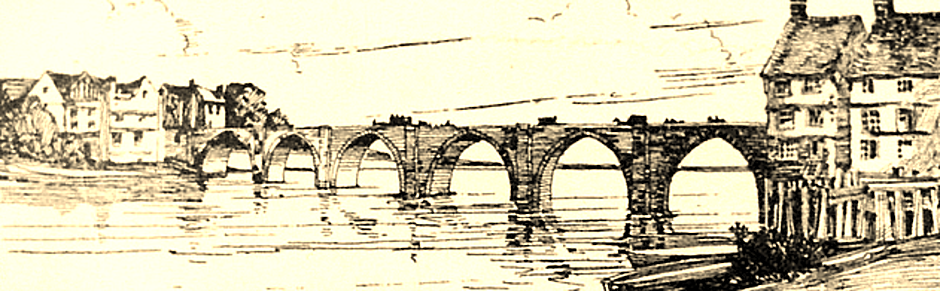
Charlotte Burrow
by Christopher Lewin
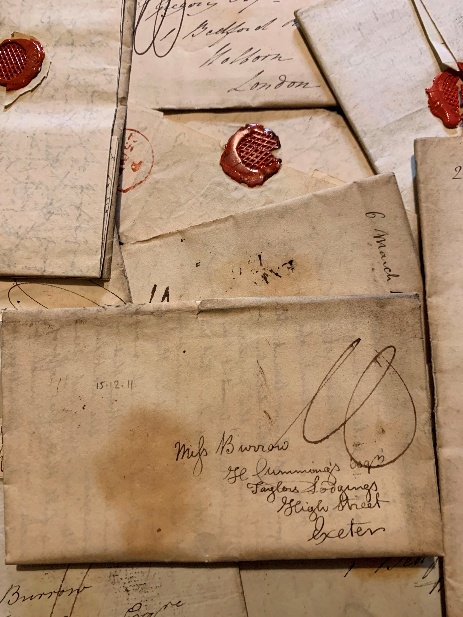
Ten years ago, I bought on eBay, an unknown archive of letters written in the Regency period. The dealer was planning to sell them individually if the archive remained unsold, in which case the present story would never have emerged. The letters bring to light a fascinating correspondence from 1808 to 1811 between a young woman in Exeter and her friend in London. Their friendship gradually blossoms into romance, though with some bumps along the way.
Roger Burrow, an Exeter maltster, and his wife Lydia have two daughters. One of them is Charlotte who is christened at St Sidwell's in 1785. Roger dies the following year and when Charlotte is nine years old her mother dies also, leaving her in the care of a guardian. At sixteen she is sent to London to complete her education and acquire the accomplishments necessary for young ladies. She joins the household of the Reverend George Gregory and his wife. One of their children is John, three years younger than Charlotte, and she treats him like a brother.
After eight years in London, Charlotte undertakes three prolonged trips to Exeter to see her friends and relations, living independently on the meagre income she has inherited. While she is away, she and John secretly write to each other every week, describing occurrences and commenting (not always favourably) on the romances of their friends. She knows the prominent banker William Nation and his daughter Eliza, who live in Southernhay. Eliza has a failed love affair and subsequently falls in love with a man whom Charlotte strongly dislikes. The letters relate various incidents in the Nation household and describe how Eliza's romance proceeds.
Charlotte eventually needs to make a decision about her own future. Several men she names are interested in marrying her, and she wonders whether she should get married — and if so, is it John she should choose? It is a difficult decision because marriage would mean losing her cherished independence and running the risks of childbirth. Shining through these letters is Charlotte's forthright but compassionate and endearing personality. Her life turns out differently from that of Jane Austen, her contemporary from a somewhat similar background.
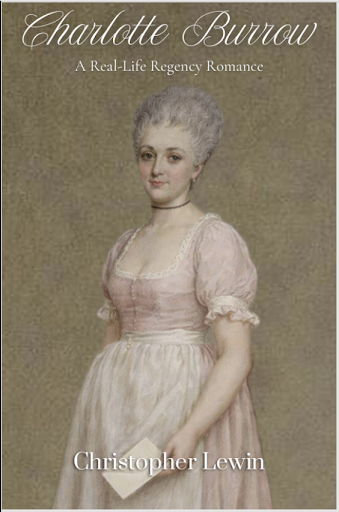
My book Charlotte Burrow: A Real-Life Regency Romance will be published by Author Gate later this year. Readers will hopefully enjoy this true account, told in the participants' own words while it progresses and quite distinct from the many existing fictional romances of the Regency period. The book contains some of the interesting new insights into Exeter's social history which emerge from the letters and my talk will include additional information of this nature.
(Images supplied by Christopher Lewin)
 Print
Print 